
INTERVIEW
ON STRATEGY, SYMBOLISM
& ARTIFICIAL INTELLIGENCE
Jon Jacobsen, in conversation with
Nicolás Mladinic – Creative Industries Advisor
CORFO (Chile)
✶
"I never thought taste would become such a decisive advantage. Today, those who lead are the ones who can curate, connect references, and hold a coherent vision to shift your perspective amid this saturated world"
Jon Jacobsen
__________________________________
The first time I heard about Jon Jacobsen was several years ago, through the Chilecreativo program. At the time, our team reached out to him to feature his work in Talento Chile, an Instagram account dedicated to highlighting Chilean creatives every week.
From that first meeting—and after seeing some of his work closely connected to the fashion industry—I immediately noticed the depth of his talent. There was something in his photographic and audiovisual compositions, particularly in the way he works with digital art, that caught my attention. I may lack the precise language to describe it, but as often happens with art, there are works or styles you connect with instinctively, without fully knowing why. That’s exactly what happened with Jon’s work.
Some time later, we reconnected via Instagram, briefly discussing artificial intelligence and, in particular, Midjourney—an AI image-generation tool Jon had been experimenting with. The results were strikingly different from most of the images I had seen created with the same technology
✶
Jon is an artist, cultural researcher, and visual strategist. Across his various projects and roles, he has explored themes ranging from grief and personal memory to cultural identity, and systems of control. His work lives in the friction between emotion and structure, questioning what it means to build personal—or brand—identity today, at a time when aesthetic standardization and promises of automated solutions increasingly threaten nuance and meaning.
During his recent visit to Chile, I had the chance to sit down with him and talk openly about his life in Europe, his artistic practice, his evolving role as a creative strategist, artificial intelligence, and more. Time was short, so I later followed up with a set of questions by email to dive deeper into his thinking.
Nicolás Mladinic
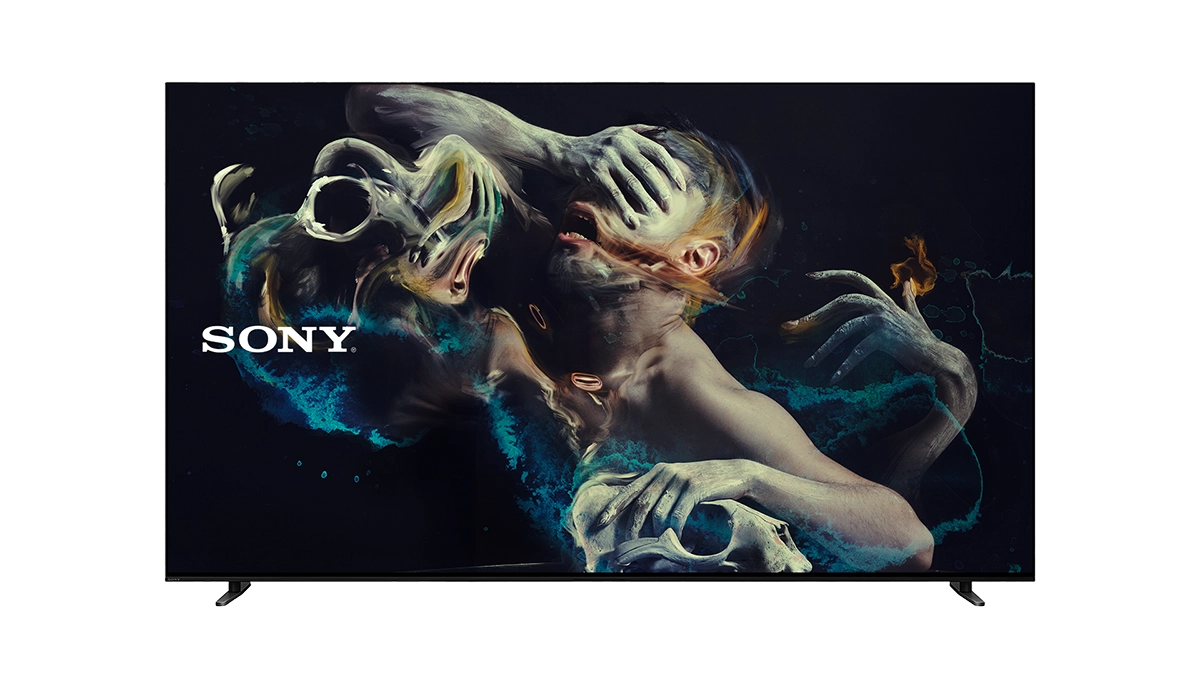
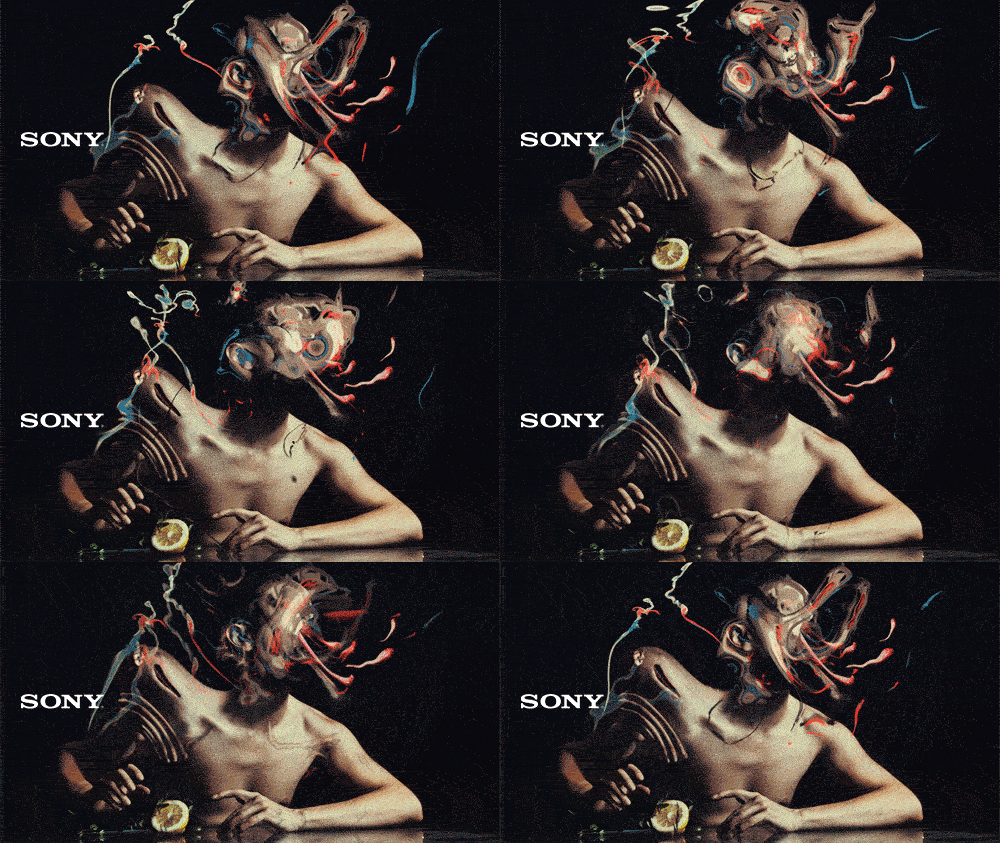
SONY OLED by Jon Jacobsen
NM: COULD YOU BRIEFLY EXPLAIN WHAT'S LEGACY BRANDING?
JJ: Legacy branding is deciding today how you want to be remembered tomorrow—as the world, technology, and culture continue to change.
People don’t connect with logos; they connect with stories, values, and points of view. My role is to ensure that this story remains relevant, coherent, visually recognizable, and worth passing on—something others want to share because it resonates and feels meaningful.
For established brands, legacy branding is about evolving without losing the center or the trust that has been built over time. It means knowing what to preserve, what to expand, and what to leave behind—adapting to new digital languages without becoming purely promotional. In this context, marketing stops reacting and starts responding to real problems, guided by active feedback from the audience.
For new brands, it’s about defining early on who they serve and what kind of change they want to create in the long term—becoming a specific and meaningful solution beyond the product itself. A brand doesn’t sustain itself through insistence, but by becoming part of someone’s life.
I’ve applied this approach across brands and institutions in Latin America, the United States, and Europe, adapting narratives to complex cultural and organizational contexts without diluting their essence.
From there, I work with brand strategy as if it were a real person: how it speaks, what it stands for, what it attracts, and what it pushes back against. That’s where a living legacy begins—not a rigid manual, but a system capable of growing and transforming without losing its soul. That’s usually the moment when I step in: when a brand stops asking what should we do? and starts asking who do we want to be?
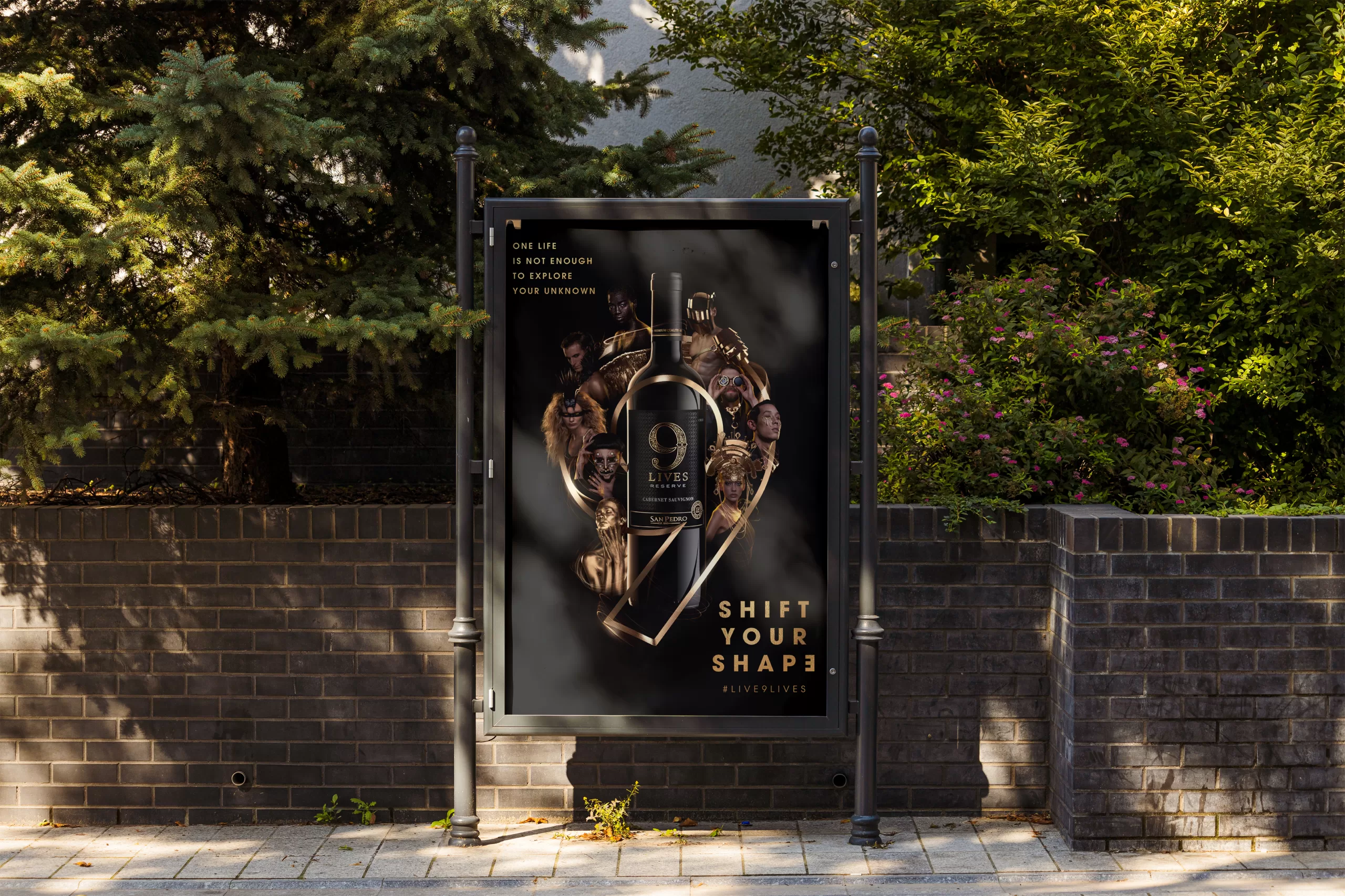
9 LIVES GLOBAL CAMPAIGN – San Pedro Vineyards
WHAT IS YOUR MINIMAL UNIT OF WORK IN STRATEGIC LEGACY BRANDING?
Beyond practical elements—logos, color palettes, or individual assets—my minimal unit of work is something more fundamental: defining an orienting principle.
I do this through intensive cycles lasting one to three months, followed by ongoing support depending on the brand’s stage. The process is built around a strategic blueprint based on the 5Ps: Purpose, People, Personality, Positioning, and Priorities.
This work happens through creative facilitation sessions with founders and core teams and results in a clear document that turns tensions and uncertainty into convictions and actionable decisions. It also helps identify which collaborators can elevate the project without friction. When you know who you are and where you’re going, asking for help becomes more precise.
This structure is especially valuable in larger teams or institutional contexts, where alignment, shared language, and reduced internal friction are critical.
I don’t stop at theory. After nearly twenty years in the visual world, I translate strategic clarity into systems that can be seen, used, and activated: symbols, aesthetic direction, tone of voice, and behaviors. Teams don’t just understand the brand—they know how to move it forward before investing in campaigns. That saves time, resources, and countless unnecessary emails.
Once that minimal unit is defined, we move into implementation. That’s where I step in as creative director or supervisor, depending on the structure the brand chooses.
✶
CASE STUDY: EVOLVEWELL
One example is EvolveWell, a project scheduled for implementation in 2026. The platform began with a highly corporate, AI-coded identity. It soon became clear that if they wanted to attract their core audience—coaches—they needed a more human and recognizable visual system.
My role was to lead a strategic and aesthetic revamp from what already existed, redefining communication so the founders (also coaches) could speak from their own questions and doubts. Presenting themselves as “experts who know everything” felt neither credible nor magnetic—because that’s not who they are.
We used a simple analogy: if the brand were a person entering a room, what would be more attractive—a promotional know-it-all posture, or a curious presence that listens, guides, and asks thoughtful questions?
Because the founders genuinely wanted to improve the lives of those who help others, we went beyond promotion. Social channels were reframed as editorial spaces, supported by a system of templates you can customize on a few clicks; and visual curation inspired by publications like Kinfolk, Atmos, and Imagine5. EvolveWell shifted from being just an app for coaches to becoming a knowledge platform connected to thinkers and innovators—reinforcing its legacy as it grows.
FROM YOUR ARTICLES, ONE RESONATED WITH ME: 'WHY DOES CREATIVE GRIEF SUPPORT BELONG IN THE WORKPLACE' COULD YOU EXPLAIN MORE OF IT?
Sure! Work is not separate from life—and life includes grief and loss. All of that enters the workplace. When it’s not acknowledged, it becomes silent friction that erodes relationships and meaning.
Addressing grief through creative and practical frameworks is urgent in a culture that avoids the inevitable. Organizations that offer language, structure, and symbolic spaces for human processes don’t just care for their people—they create better working conditions. Feeling understood is a fundamental human need, especially in moments of loss.
I wrote about this because I was struck by the lack of real support in professional contexts. I know people who lost a parent and were expected to perform as usual the very next day. When I led a grief and creativity workshop at The Social Hub in Portugal, it sold out in under three days. The need is evident. Research shows that lack of grief support has significant organizational costs, and many people leave jobs because they felt unsupported during moments of pain.
My ethical boundary is clear: pain cannot be the hidden cost behind a successful KPI. Vulnerability is not a retention tool, and productivity cannot be built on emotional silence. An organization’s role is to enable—not exploit.
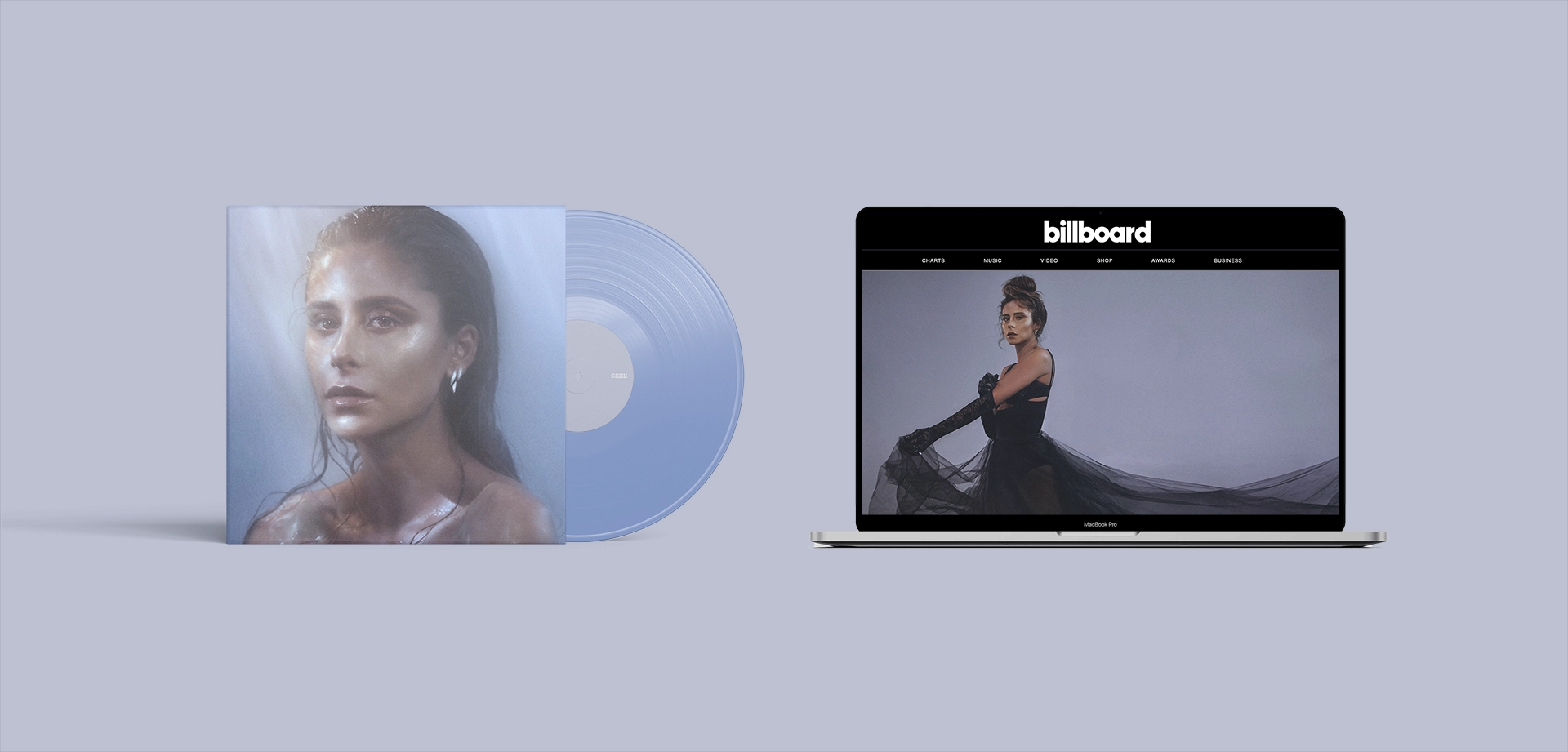
UNIVERSAL MUSIC GROUP | Cami 'La Despedida' Artwork Campaign
SO, WHEN DO YOU SAY 'NO' TO A CLIENT?
I say no when there’s no openness to dialogue or transparency. Brand strategy requires time and deep conversations. When everything needs to be fast, superficial, or purely financial, strategy becomes generic and meaningless. This applies equally to private brands and institutional contexts.
I also say no when “impact” is just a narrative. If there’s no genuine interest in understanding people beyond turning them into consumers, cultural positioning becomes hollow. Sophisticated brands don’t assume desire—they design complete experiences, from first contact to long-term relationships.
Take, for example, the work I’ve been doing with Studio Simkin. Every aspect of the experience has been considered with the audience in mind: from revealing the side of the work no one talks about, to collaborating directly with attendees through stories, shared moments, and a clear tone of voice that turns spectators into participants. Social media, in this case, becomes an extension of the stage rather than a documentation of what already happened.
This approach generated over 950K organic views in 30 days, without paid media—by prioritizing attention as a relationship to be built, not a resource to be extracted.
Another non-negotiable is lack of curiosity. Without questions, attention to the world, or willingness to look inward, strategy is impossible. Brands that leave a mark come from curious founders—not from urgency for visibility.
And yes… chronic lateness is also a boundary. It says more than it seems.
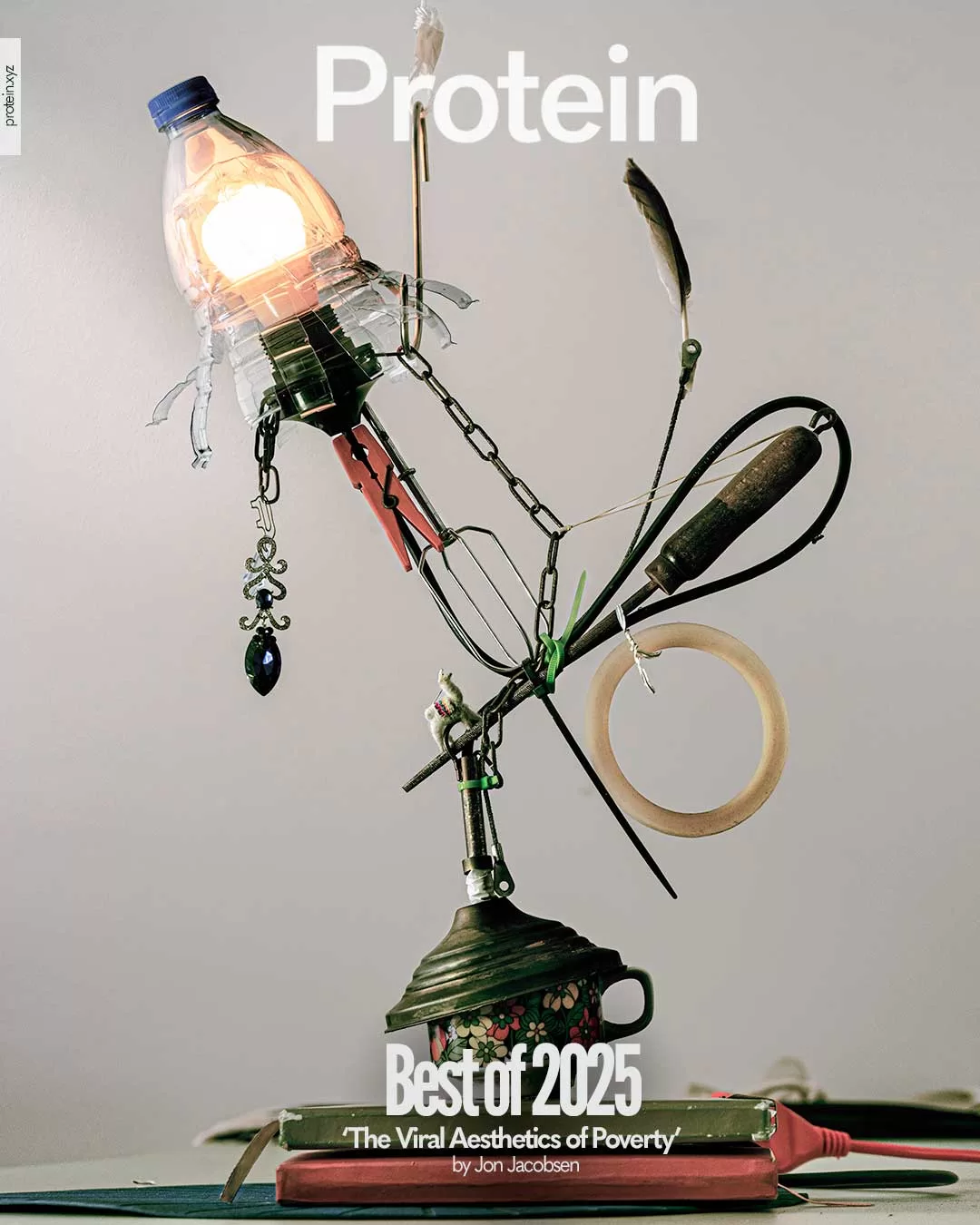
ON ANOTHER ARTICLE YOU WROTE FOR PROTEIN "THE VIRAL AESTHETICS OF POVERTY", YOU MENTION THAT VIRALITY HIDES A COLLECTIVE GRIEF. WHAT DO YOU MEAN BY THAT?
Virality acts as a cultural thermometer. It shows where attention is—but also what’s missing. Sometimes it reveals the underlying “illness” behind that attention.
Take #RichTok: wealthy influencers showcasing extravagant lifestyles. On the surface, it looks aspirational. But at a deeper level, it reflects collective frustration around inequality and inaccessible opportunity. These viral imaginaries become symbolic substitutes—we seek online what we struggle to sustain in real life. That’s where collective grief appears.
Viral content leaves emotional traces. The important question isn’t just why something goes viral, but what unresolved need it exposes. If brands chase visibility alone, they miss the chance to read these signals and transform them into meaningful responses.
✶
"I explored AI to create images, but I lost interest quickly. I see it better as a tool to synthesize my analitical thinking and then to compare. I see it as a cultural mirror and a cliché accelerator.
It’s useful for spotting what you don’t want to become.
Jon Jacobsen
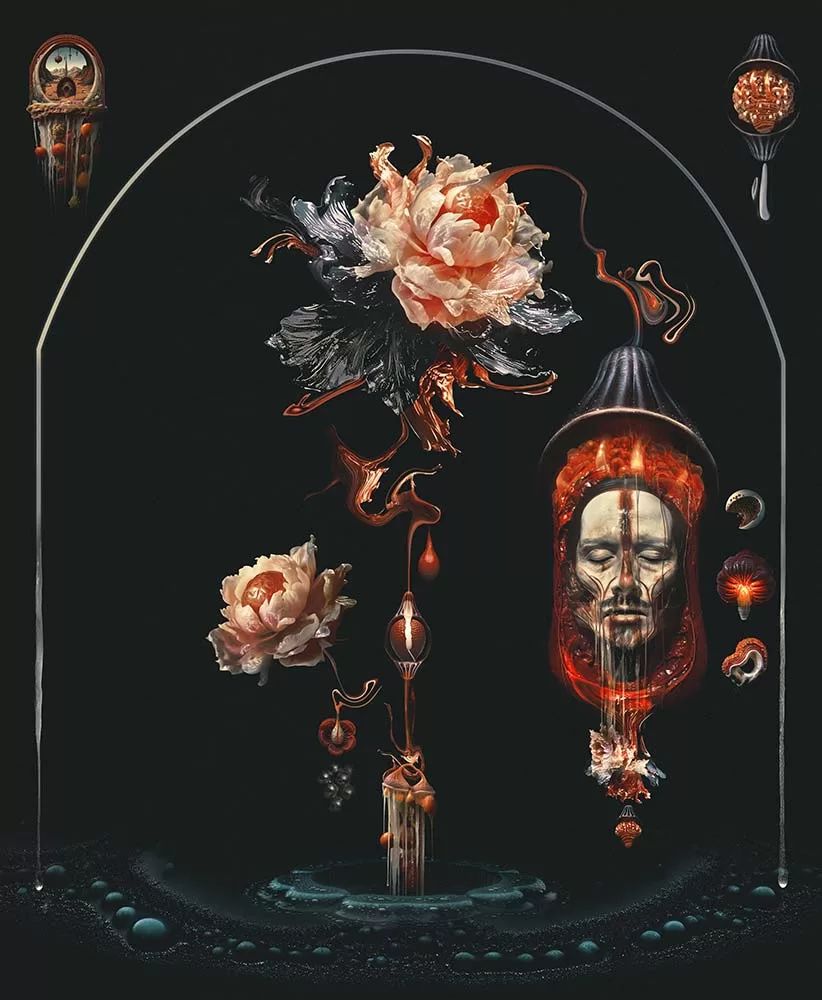
'Night Shift' by Jon Jacobsen (2023)
KNOWING YOUR RESEARCH ON MEMORY AND BELONGING, HOW COULD YOU DEFINE WHAT'S AN AUTHENTIC VISUAL MEMORY IN TIMES OF ARTIFICIAL INTELLIGENCE?
Authentic visual memory emerges from lived experience. It may sound cliché, but it’s deeply human. An image alone isn’t enough—it needs an experience to hold it. Digital tools, at best, reinterpret that experience.
AI destabilizes this terrain. We now see hyper-real images without lived context. We no longer know whether something happened, was imagined, or fabricated. We used to say “photos or it didn’t happen.” Now we’re dangerously close to “photos or you weren’t real.” The image stops proving experience and starts replacing it.
That’s why authentic visual memory can no longer exist as a single image. It becomes a constellation: movement, time, sensation, contradiction—something inhabited from multiple angles. Today, authenticity isn’t just about technical origin or verification, but being able to say: I lived this, it moved me, it belongs to me, and I adapt it.
Perhaps authentic visual memory no longer resides in the image itself, but in the conscious act of observing it. The problem is that in more advanced futures, even that act may be questioned. It's a really interesting topic to dive in.
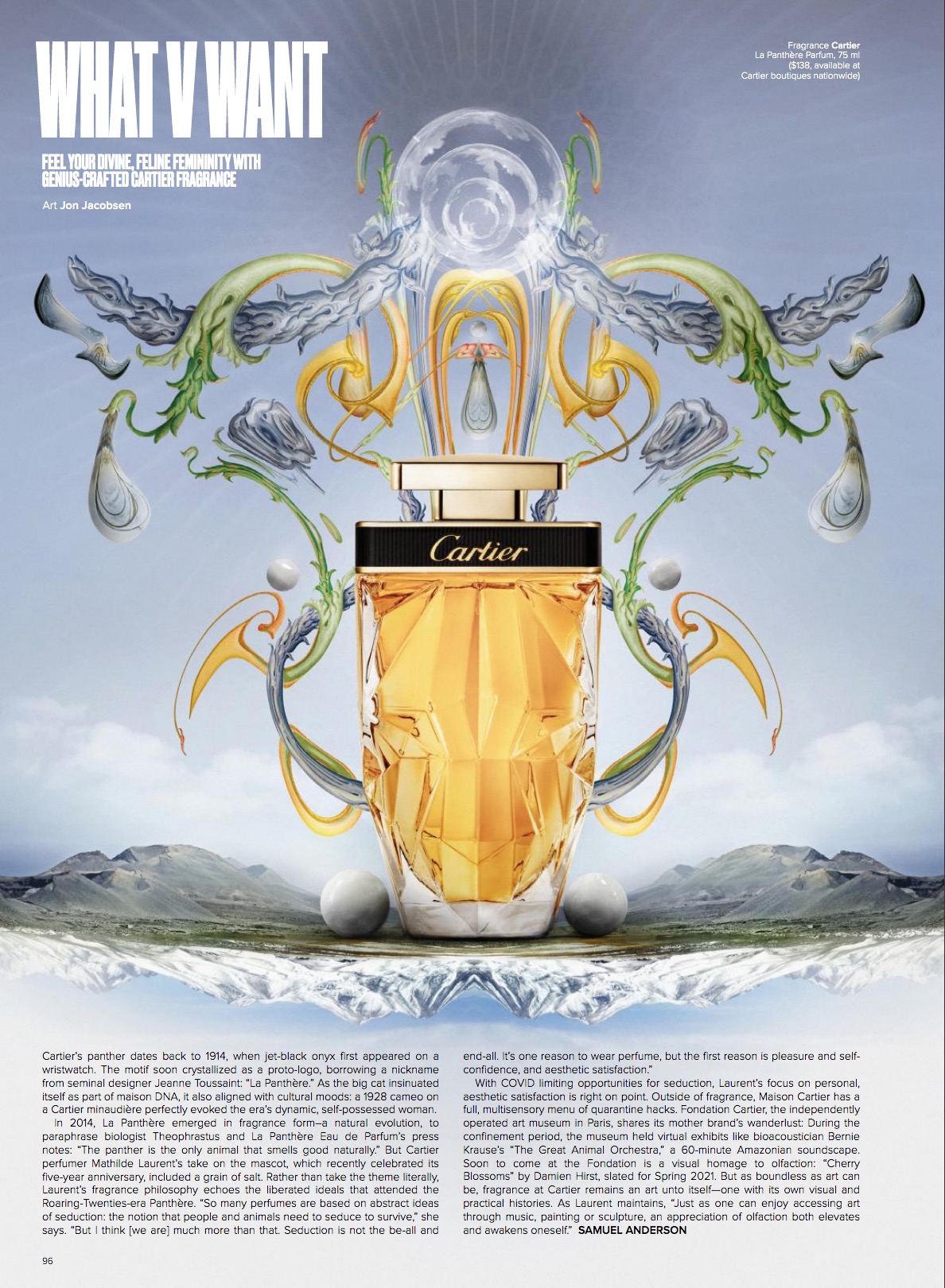
CARTIER – For V Magazine
WHAT ARE YOU CREATIVELY SEEKING TODAY?
I’m looking for collaborations where strategy has human depth and aesthetics are not just efficient, but capable of creating wonder. I’m especially drawn to the intersection of technology, science, and psychology—complex fields that deserve clearer, more sensitive visual languages.
I’ve always had a tendency to organize chaos—to turn questions into systems, images, and conceptual maps—and that remains the core of my practice. I might be creative but I'm deeply methodical. It directly informs my business model: helping organizations clarify their message, differentiate with coherence, and build strategic foundations that last.
I like to think of my role as a landscaper within a brand—someone who designs the conditions for things to grow well, then returns periodically to adjust the ecosystem, with a coffee in hand.
Looking ahead, I see myself facilitating conversations between sharp minds and designing immersive experiences—physical or digital—that contribute to human wellbeing. I’m drawn to philantropists, institutions and interdisciplinary teams that understand strategy and visual language as cultural responsibility, not just positioning. Because in the end, good strategy doesn’t just seek attention—it creates meaning. And when a brand does that, it stops reacting to the world and starts shaping how we inhabit it.
✶
This is an excerpt of an extensive, fun conversation I had with Nicolás Mladinic during my last visit to Chile. We talked about strategy, symbolism and IA, and how brands can build with purpose when culture falls into automation.
You can read the full interview in this link
✶
This is an excerpt of an extensive, fun conversation I had with Nicolás Mladinic during my last visit to Chile. We talked about strategy, symbolism and IA, and how brands can build with purpose when culture falls into automation.
You can read the full interview in this link
JON JACOBSEN
JON JACOBSEN




© 2005 -2025 Jon Jacobsen. All rights reserved. Website made with Semplice
© 2000-2024 Jon Jacobsen. Website designed by Jon Jacobsen using Semplice